Choosing the right awning material is one of the most important decisions Tampa property owners face. Whether you own a restaurant on South Howard Avenue, a retail shop near Westshore, or a home in South Tampa, a custom awning can transform how your property looks, feels, and performs. Tampa's climate creates demands that properties in other states simply do not face, and picking the wrong material can cost you in repairs, replacements, and lost comfort.
Understanding Your Material Options
Fabric and metal awnings are built differently, and each serves a distinct purpose. Understanding those differences is the first step toward a smart investment.
Fabric Awning Basics
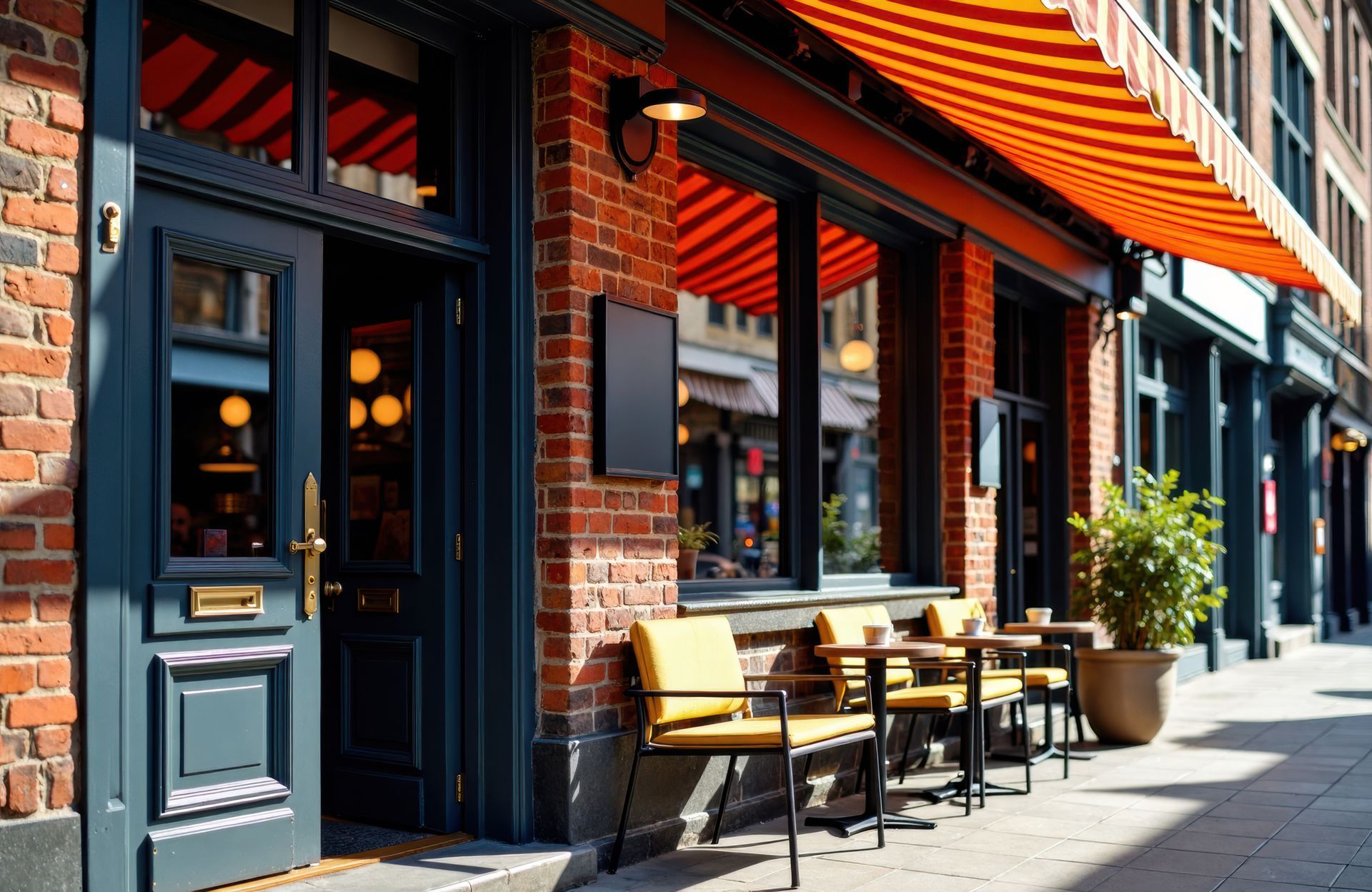
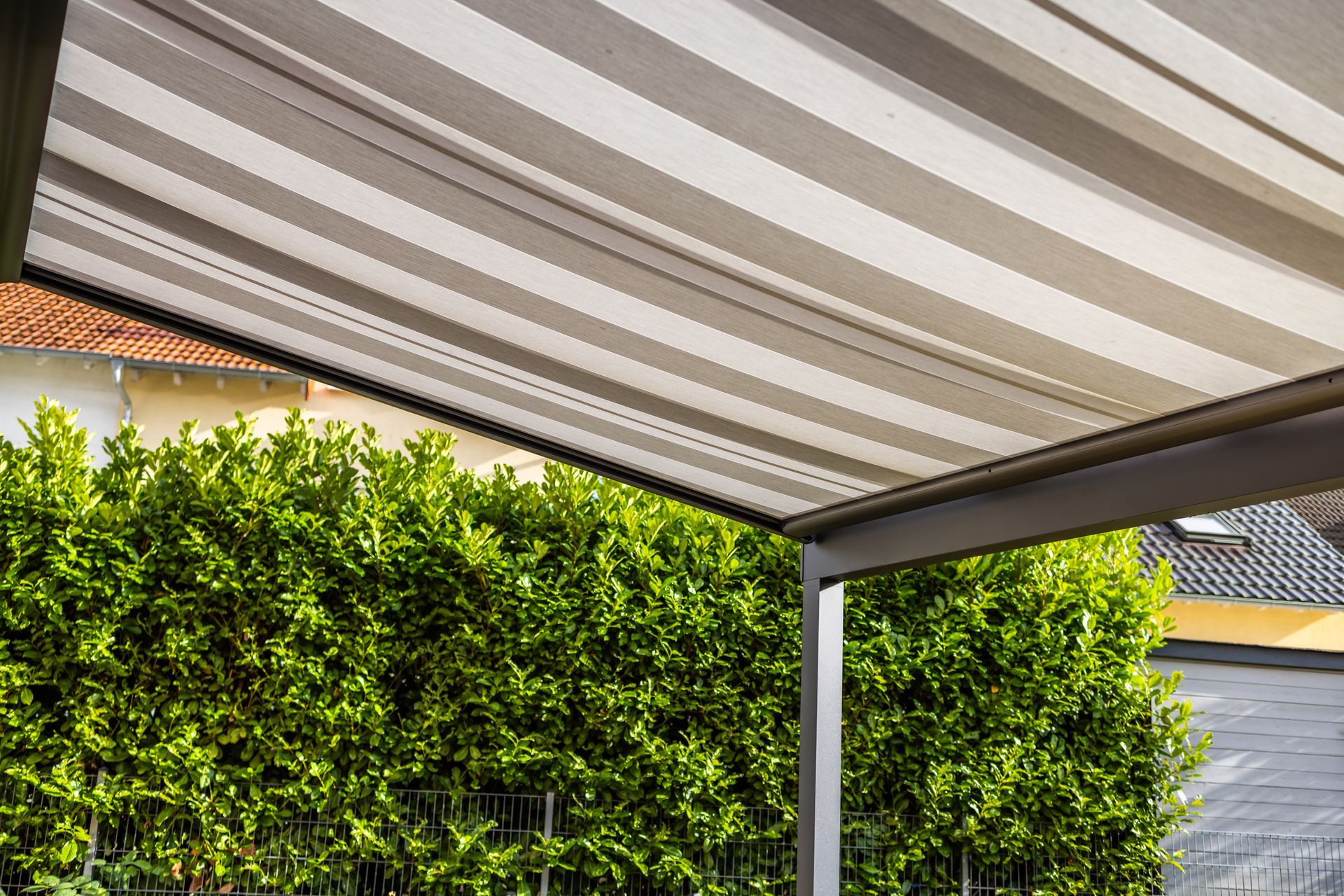
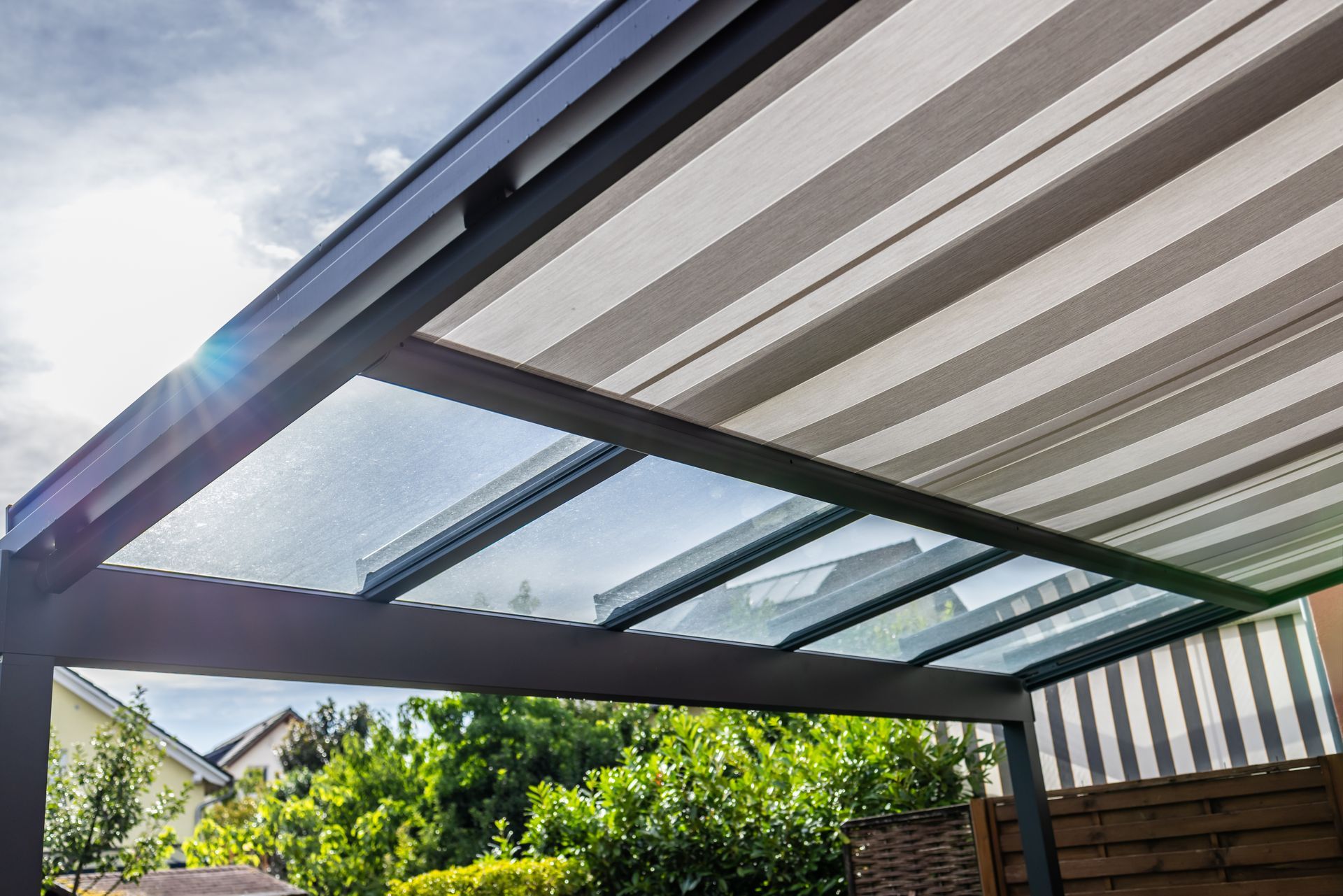
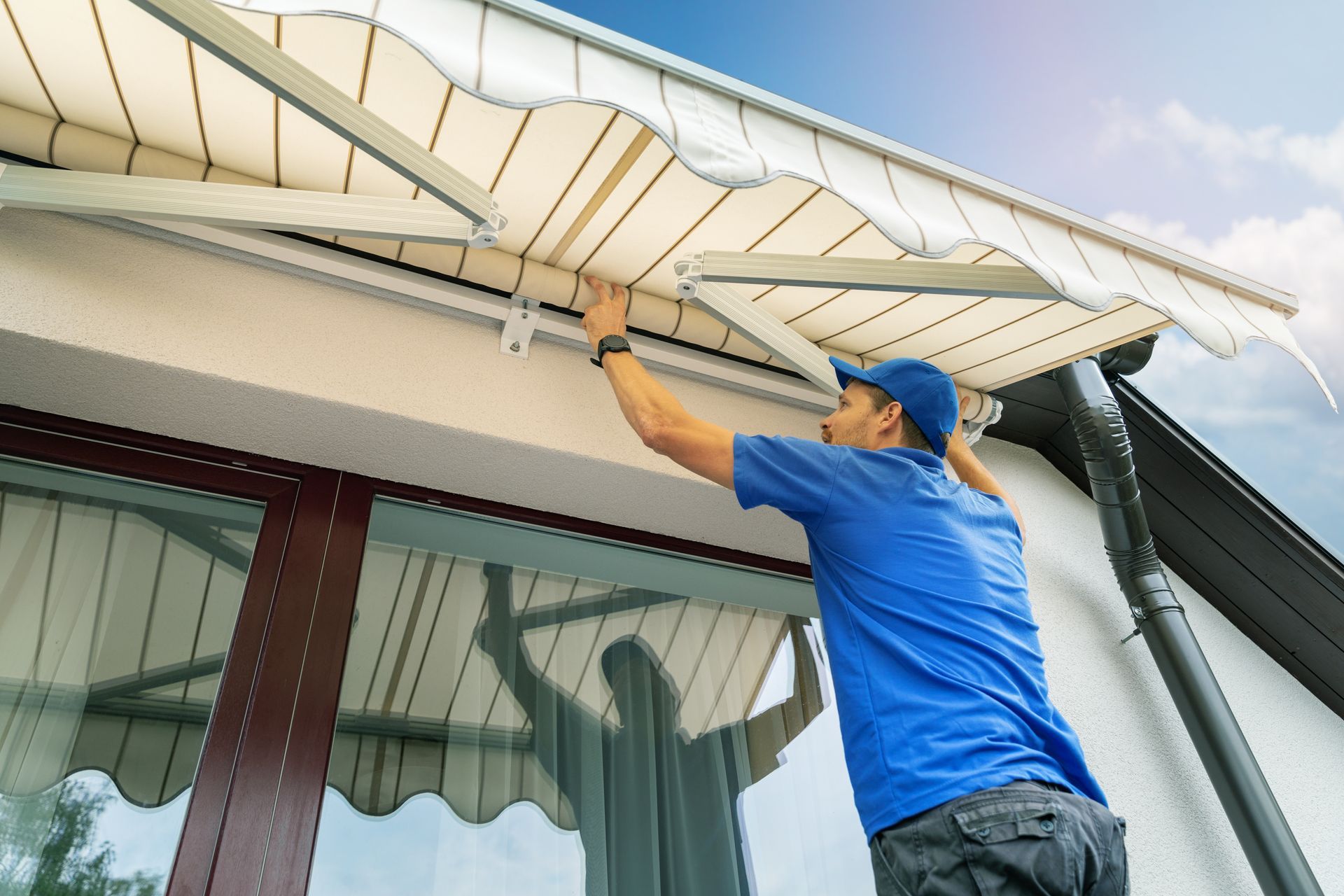
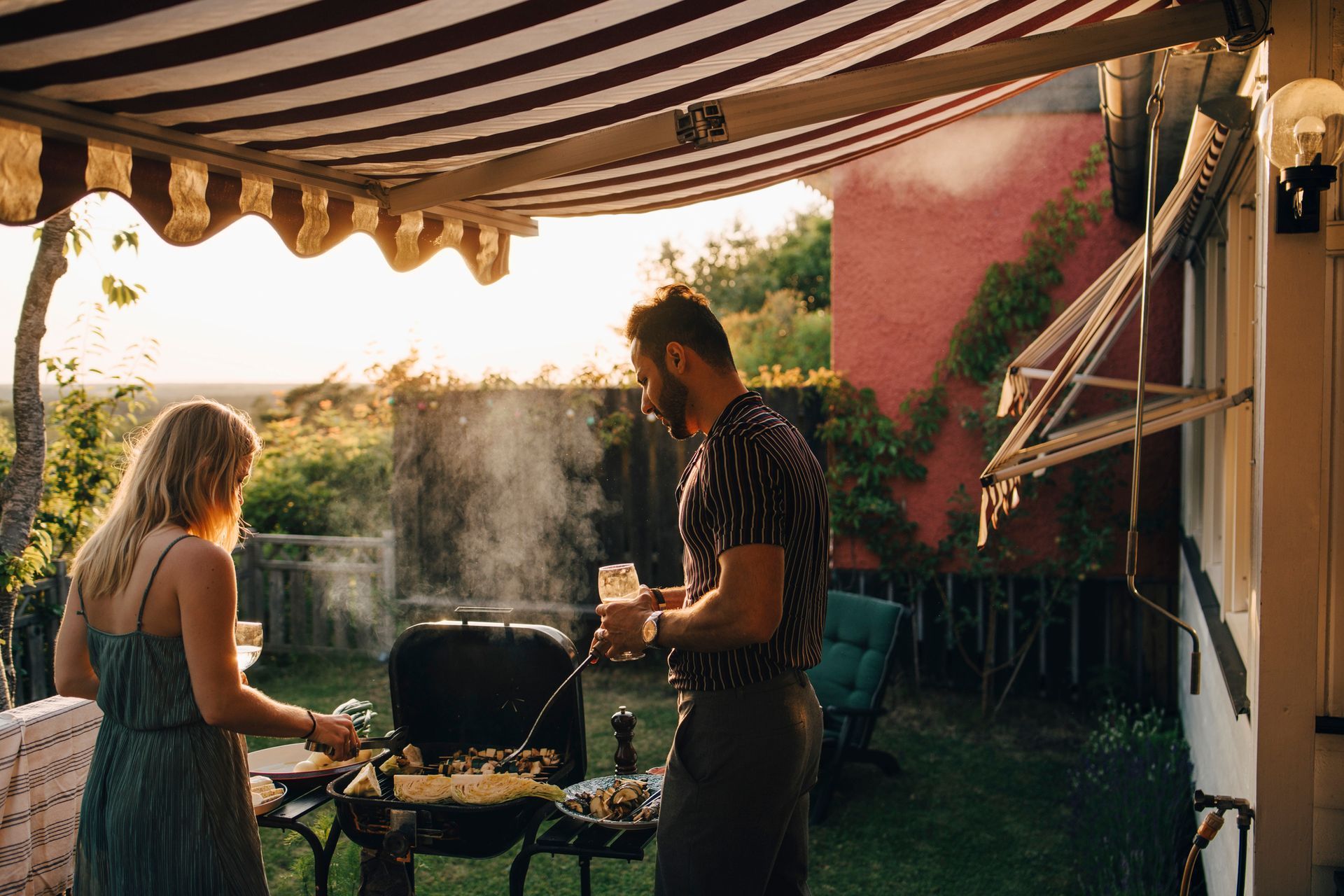
Fabric awnings are typically made from acrylic canvas or polyester blends. These materials resist rain while allowing air circulation underneath, and they come in a wide range of colors and patterns, making them a natural choice for businesses that want to reflect branding or add visual warmth. Fabric systems can be fixed or retractable, giving property owners flexibility in how they manage sun and shade. For Tampa storefronts along Bayshore Boulevard or outdoor dining patios in Ybor City, fabric awnings create an inviting atmosphere that draws customers in.
Metal Awning Basics
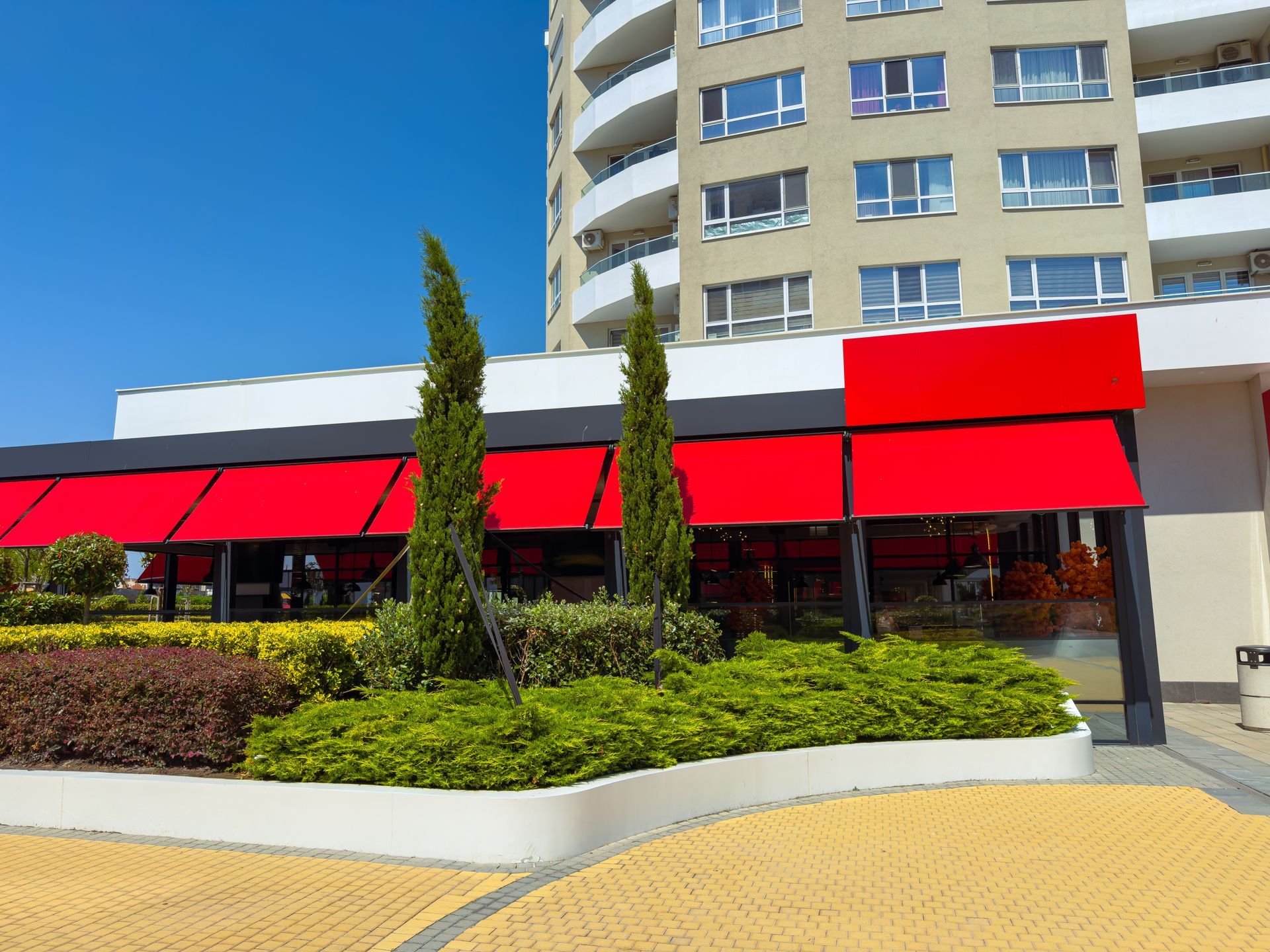
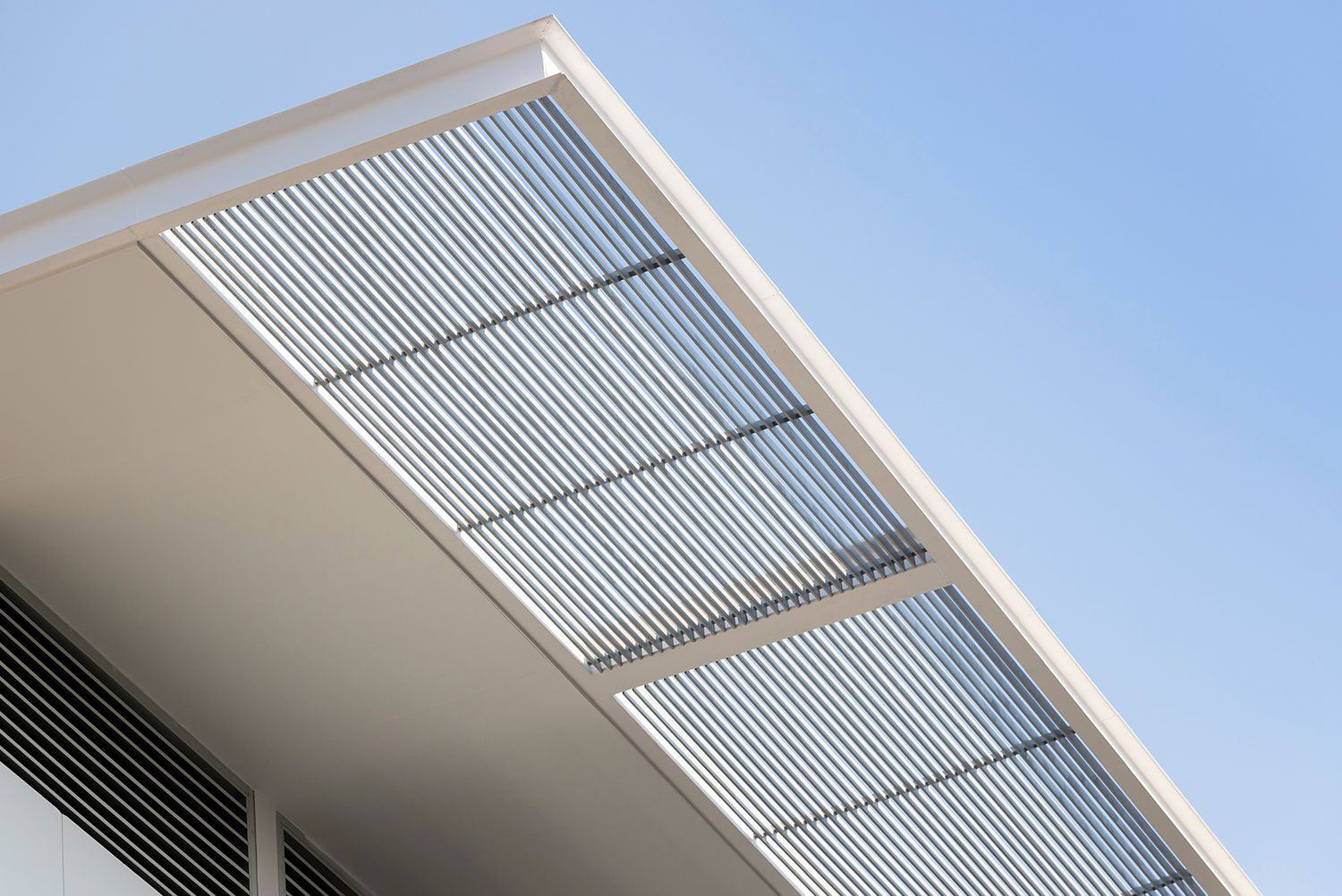
Metal awnings are fabricated from aluminum or steel. Aluminum is lightweight and naturally corrosion-resistant, while steel offers added strength but may need periodic protective coating in humid environments. Metal awnings are rigid and permanent, making them a long-term architectural feature rather than a flexible shade solution. They are commonly seen on Tampa commercial properties where a sleek, modern look is the goal.
How Tampa's Climate Affects Your Choice
Tampa averages over 240 sunny days per year, experiences a defined rainy season from June through September, and sits in a hurricane zone. These conditions drive material selection more than any other factor.
Fabric awnings handle UV exposure well when made from solution-dyed acrylic, which resists fading better than other types. Many Tampa property owners choose retractable fabric systems so they can roll the awning in before a storm, reducing wind load and extending the fabric's life.
Metal awnings are fixed structures that must be engineered to handle Florida wind loads. Properly fabricated aluminum awnings are highly resilient and face no UV degradation concerns. However, metal can become extremely hot in direct Tampa sun, which may reduce comfort for outdoor seating directly beneath the panels.
For hurricane preparedness, both materials require professional installation and proper anchoring. A retractable fabric awning lets you reduce exposure before a storm. A well-engineered metal awning, installed to Florida Building Code standards, can withstand significant wind events without being removed.
Maintenance Side by Side
Fabric awnings benefit from regular brushing and rinsing to prevent mildew, which develops quickly in Florida's warm, wet climate. Mild soap and water are sufficient for routine cleaning. Over time, fabric may need re-treatment with a water-repellent coating or eventual replacement, though high-quality solution-dyed acrylics offer solid longevity with proper care.
Metal awnings typically need only occasional cleaning and a periodic check of mounting hardware and sealants. Aluminum holds up well in coastal and humid conditions, making it a low-effort choice for Tampa commercial properties. Steel options may require more attention to prevent surface rust near Tampa Bay's salt-air environment.
Ideal Use Cases for Each Material
Fabric awnings tend to work well for restaurants and cafes with outdoor seating that benefit from a softer, welcoming aesthetic; retail storefronts where color and branding create curb appeal; residential patios and windows where shading delivers energy savings; and properties where a retractable option is preferred for storm flexibility.
Metal awnings tend to work well for commercial buildings seeking a permanent, low-maintenance shade structure; entrances, walkways, and drive-throughs where durability and clean lines matter most; high-traffic properties where a robust structure holds up to daily use; and owners who prefer a one-time installation with minimal recurring upkeep.
How to Choose the Right Awning for Your Tampa Property
The best awning is the one matched to your specific building, use case, and local conditions. Consider how much flexibility you need, how much maintenance you can manage, and what aesthetic fits your property. A custom awning serving Tampa, FL, properties should always be designed with Florida's climate codes, wind requirements, and UV intensity in mind.
If brand expression, outdoor comfort, and design flexibility are your priorities, fabric is often the stronger choice. If durability, minimal maintenance, and a permanent architectural finish matter most, metal may be the better fit. Many Tampa properties benefit from a combination of both, using metal for permanent coverage at key entry points and fabric for retractable shade in outdoor gathering spaces. Working with an experienced provider ensures your custom awning is engineered correctly from the start, saving time and money over the life of the structure.
Get Expert Guidance From Sunstate Awning
Sunstate Awning serves Tampa, FL, properties with fabric and metal custom awning solutions designed for Florida's demanding climate. From initial consultation and design renderings through permitting, fabrication, and installation, every project is handled with attention to local building requirements and long-term performance.
Explore the full range of
custom awning services available for Tampa properties, or
contact the team to discuss your project. Call
1-800-600-8048 to request a free consultation, or
find Sunstate Awning on Google to read reviews and learn more.